Tattoo booking form template: what to ask and why
Build a useful tattoo enquiry form with adaptable questions for placement, size, references, budget, and availability.
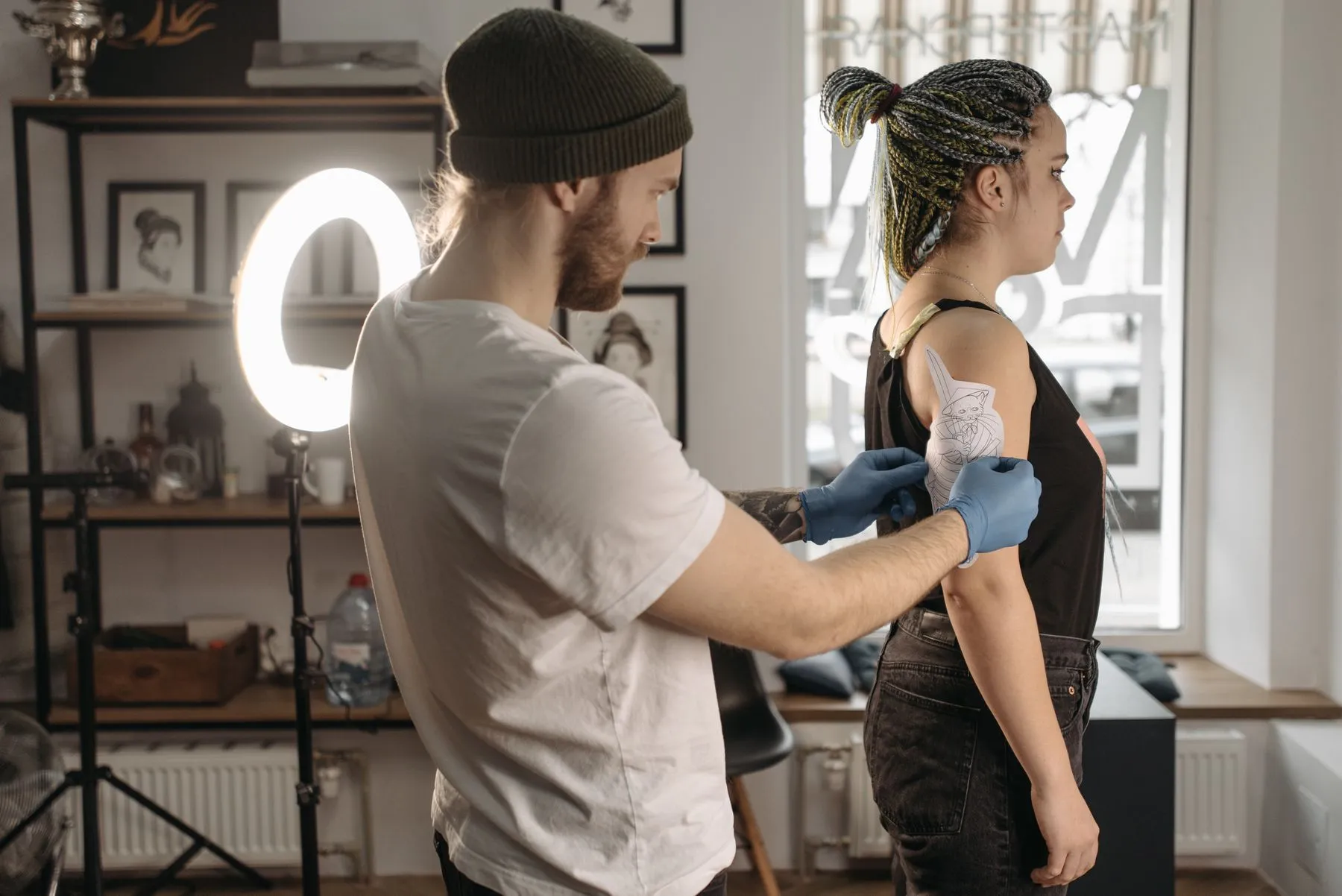
A useful tattoo booking form gives you enough detail to judge the idea, check whether it fits your work, and decide on the next step. It should not ask a client to write an essay or turn an enquiry into a consent form.
The short version
- Ask for the idea, placement, approximate size, and style.
- Request reference images and ask what each image is showing you.
- Collect practical details such as location and availability.
- Explain what happens after submission and when you usually reply.
Start with the details you use to assess the project
Every question should help you accept, decline, quote, or ask a focused follow-up. If a field never changes what you do next, leave it out. Keep policy acceptance and consultation details separate unless you genuinely need them at the enquiry stage.
The following fictional example is a starting point. Adapt the language and required fields to your own practice.
Contact and project basics
- What name should I use when I reply?
- What is your email address and preferred contact method?
- Briefly describe your tattoo idea.
- Where on your body would you like it placed?
- What approximate size do you have in mind, in centimetres?
- Would you like colour, black and grey, or are you open to either?
- Is this new work, a cover-up, a rework, or an addition?
Measured size gives you more to work with than “small” or “medium”. Bad Apples Tattoo also recommends labelling references by purpose and being clear about fixed elements, advice that is useful when shaping your own prompts. Their process is artist-specific, so use it as an example, not a universal booking policy. Read their guide to briefing a tattoo artist.
Make reference images explain themselves
A folder of saved tattoos can still leave you guessing. Ask the client to say what matters in each image, without asking you to copy another artist’s custom work.
Upload up to five reference images. For each image, tell me what you are pointing to, such as the subject, composition, mood, line weight, colour, or placement. References guide the conversation. They are not a request to copy another artist’s tattoo.
You can also ask for a clear photo of the intended placement when an existing tattoo, scar, or the shape of the area may affect your initial assessment. Only collect what you need, and tell clients how their files will be used.
Ask about constraints without promising an outcome
- Availability: “Which days of the week can you usually attend?”
- Timing: “Is there a date you are working around?” Make clear that submitting it does not guarantee availability.
- Budget: Ask for a comfortable range only if you use it to suggest scope or session options.
- Creative room: “What must stay, and what are you happy for me to interpret?”
Set expectations at the submit button
Tell people whether the form is an enquiry rather than a confirmed appointment, how you respond, and what the likely next step is. A clear closing note can prevent a second DM five minutes later.
Thanks for sending your idea. This form is an enquiry, not a confirmed booking. I review new requests on Tuesdays and Thursdays and will reply by email with a decline, a question, or the next booking step. Please check your spam folder before following up.
Run one final form check
- Can a client complete it comfortably on a phone?
- Does every required field affect your decision or next reply?
- Are upload limits and accepted file types clear?
- Have you explained how and when you will respond?
- Can clients find your booking status before they start?
Copy the template, remove anything you do not use, and test it with a fictional enquiry. If you still need to ask the same basic question every time, that question belongs in the form.